Can't Quickly Trace Ingredients Through Production?
When a supplier identifies a problem with an ingredient lot, can you quickly determine which production batches used it, where the finished products are, and which customers received them?
If answering those questions requires spreadsheets, paper records, and hours of investigation, your traceability process may be exposing your business to unnecessary risk.
The problem: You have the records, but can you connect them?
Food manufacturers track ingredients, production batches, finished goods, and shipments every day. The challenge is connecting that information quickly when something goes wrong.
A supplier calls about a potentially contaminated ingredient lot. Your QA team needs to know exactly where that ingredient was used.
But the answers may be spread across receiving records, production logs, spreadsheets, ERP transactions, and shipping documents.
Sound familiar?

Disconnected records
Receiving, production, inventory, and shipping records live in separate systems.

Slow investigations
QA teams spend hours gathering and reconciling records.

Missing lot relationships
Ingredient lots aren’t consistently connected to finished production batches.

Uncertain product exposure
It’s difficult to distinguish affected products from unaffected inventory.

Manual production records
Paper logs and spreadsheets create gaps and opportunities for errors.

Limited shipment visibility
Tracing affected finished goods to customer shipments takes additional investigation.
Why poor ingredient traceability is a business risk
The problem is bigger than a slow recall investigation. When ingredient genealogy is incomplete, manufacturers may struggle to isolate affected products, demonstrate control, and respond confidently to customers or regulators.
Food safety and recall exposure
Incomplete records may force broader precautionary holds or recalls because the affected product population cannot be established confidently.
Unnecessary product and labor costs
Additional investigation, inventory holds, disposal, and operational disruption can increase the cost of an incident.
Audit and compliance pressure
- Records may exist but be difficult to retrieve, reconcile, and demonstrate during an audit or mock recall.
Customer confidence
- Slow or incomplete responses to product inquiries can affect trust and business relationships.
What effective ingredient traceability should look like
A modern traceability process should connect every relevant ingredient lot to its production consumption, finished goods, inventory movements, and shipment records.
A connected process should make it possible to answer both questions:
Forward traceability: Where did this ingredient lot go?
Backward traceability: Which ingredients and supplier lots went into this finished product?
It should also help identify which products remain in inventory and which have already shipped.
How Matrix helps connect the traceability chain
Matrix provides food manufacturing software that connects material movements, production transactions, product identification, and shipment records.
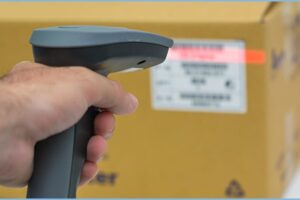
1. Capture lot information at receiving
Record supplier, lot, pallet, and receiving information when ingredients enter the facility.
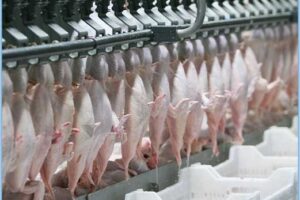
2. Track inventory movements
Maintain lot-level visibility as materials move through warehouse locations, staging, and inventory transactions.

3. Connect ingredients to production
Capture material consumption and production transactions to establish relationships between input lots and production outputs.

4. Maintain finished product identification
Support lot genealogy through product identification, labeling, and finished goods inventory records.
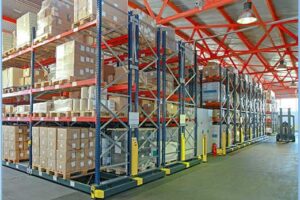
5. Trace products through shipping
Connect finished goods and pallet tracking with shipment records to support downstream investigations.
The Matrix difference
Matrix focuses on practical, plant-floor traceability that connects the operational transactions often missing from ERP records. The goal is to strengthen traceability without unnecessarily replacing existing business systems.
Know Where Every Ingredient Went. Before There’s a Problem.
When a traceability question arises, your team needs reliable answers—not another manual investigation. Discover where your current process may be vulnerable and how connected plant-floor records can help improve recall readiness.