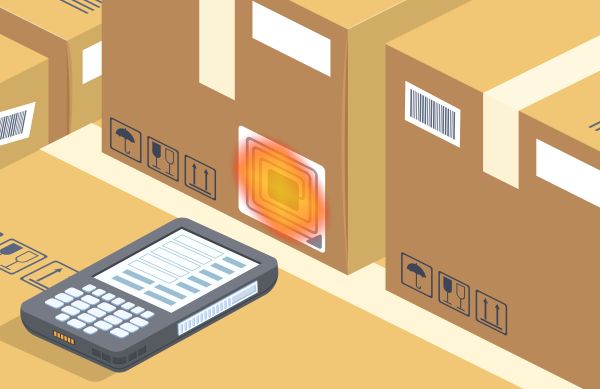
Barcode Scanning in Food Manufacturing
Barcode scanning in food manufacturing helps reduce human error, improve traceability, and increase production accuracy across the production floor.
In fast-moving food manufacturing environments, one incorrect lot number, ingredient entry, or mislabeled case can create serious operational problems. These issues may lead to production delays, failed audits, product waste, or even recalls.
Many food manufacturers still rely on handwritten logs, spreadsheets, or manual keyboard entry to track inventory and production activity. While these methods may seem manageable, they create opportunities for costly mistakes as production volume increases.
Why Manual Data Entry Creates Problems
Manual processes depend heavily on operators entering information accurately during busy production runs. Even experienced teams can make mistakes when production speeds increase or multiple products are running simultaneously.
Common errors include:
- Entering incorrect lot numbers
- Recording inaccurate quantities
- Using the wrong raw materials
- Mislabeling finished goods
- Skipping documentation steps
These mistakes are rarely intentional. However, small errors can quickly create larger operational issues throughout the facility.
As a result, manufacturers often experience:
- Production delays
- Product rework
- Inventory discrepancies
- Compliance risks
- Increased audit stress
- Unnecessary product waste
Without reliable validation systems in place, teams spend valuable time correcting problems instead of improving production efficiency.
How Barcode Scanning Improves Accuracy
Barcode scanning in food manufacturing replaces manual data entry with scan-based validation throughout the operation.
From receiving raw materials to processing, packaging, and shipping, the system assigns a barcode to every lot and product. Instead of typing information into spreadsheets or production systems, operators simply scan materials before use.
The system automatically:
- Confirms the correct raw material is being used
- Verifies lot numbers match production requirements
- Records quantities accurately
- Links ingredients to finished goods
- Blocks incorrect or unauthorized materials before use
Every scan creates a digital, time-stamped production record automatically as production happens.
This improves traceability while reducing the risk of human error throughout the manufacturing process.
Real-Time Validation Reduces Risk
When barcode scanning becomes part of daily production workflows, consistency improves across the entire facility.
Operators no longer rely on memory, handwritten notes, or delayed inventory updates. Instead, the system validates every material, batch, and finished case in real time.
That level of control helps prevent costly mistakes before they escalate into larger production or compliance issues.
For example, a single incorrect lot entry may trigger hours of investigation, unnecessary product disposal, or shipment delays. Barcode scanning helps eliminate those problems before they affect operations.
Real-time validation also improves communication between production, quality assurance, inventory, and shipping teams by providing accurate data across the entire process.
Barcode Scanning Simplifies Audits and Traceability
Food manufacturers face increasing pressure to maintain accurate production records and traceability documentation.
Barcode scanning systems simplify audits by automatically capturing detailed production data during every stage of manufacturing.
Instead of searching through paper records, teams can instantly access digital records showing:
- Which ingredients were used
- When materials entered production
- Which batches used specific lots
- Where finished goods were shipped
This level of visibility improves audit readiness while helping manufacturers respond faster to recalls, customer requests, and compliance reviews.
Benefits of Barcode Scanning in Food Manufacturing
Over time, barcode scanning improves overall operational performance throughout the facility.
Manufacturers often see improvements in:
- Inventory accuracy
- Production efficiency
- Traceability visibility
- Material control
- Compliance readiness
- Labor efficiency
By reducing manual entry and improving real-time validation, teams spend less time correcting errors and more time focusing on productivity and growth.
Final Thoughts
Barcode scanning in food manufacturing helps manufacturers reduce human error, improve traceability, and maintain accurate production records throughout the operation.
By replacing manual processes with real-time scan validation, manufacturers gain better visibility into inventory, production, and material usage while reducing operational risk.
At Matrix Controls, we help food manufacturers improve accuracy and traceability with MES-style barcode scanning solutions designed for real-world production environments.