Disconnected Systems Are Slowing Down Your Food Production
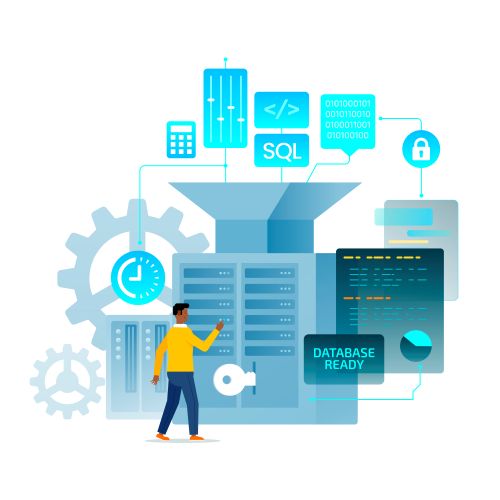
Many food manufacturers rely on multiple systems to manage their operations. An ERP may handle orders and inventory, spreadsheets track production data, paper logs capture floor activity, and separate systems manage labeling or quality checks. While each tool serves a purpose, the lack of integration between them creates inefficiencies across the production floor. When systems

How Traceability Simplifies Customer Shipments and Proof of Compliance

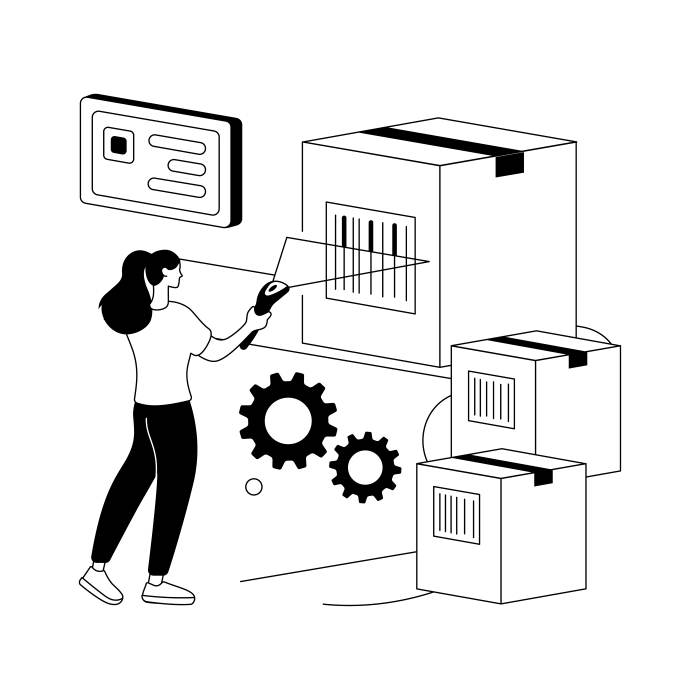
For many food manufacturers, customer shipments and compliance documentation are more complex than they need to be. Orders must be fulfilled accurately, lot numbers must match paperwork, and documentation must be readily available for customers, auditors, and regulators. When traceability is handled through spreadsheets, paper logs, or partially integrated systems, the shipping process becomes vulnerable

How Real-Time Production Tracking Improves Yield & Reduces Waste

In food manufacturing, small inefficiencies add up fast. A few extra pounds of raw material here, slight overfilling there, unplanned downtime, and undocumented rework—over time, these issues quietly reduce yield and increase waste. The problem is that many facilities still rely on manual tracking methods such as paper logs or end-of-shift spreadsheet updates. By the

Prepare for a Food Recall in Minutes, Not Days

Food Recalls: Moving from Crisis to Control Food recalls are one of the most stressful events a food manufacturer can face. When a recall happens, time is critical. Regulators and customers expect fast, accurate answers, but many companies struggle to respond quickly because their data is scattered across paper records, spreadsheets, and disconnected systems. In