Upgrade Your Legacy System Before It Costs More

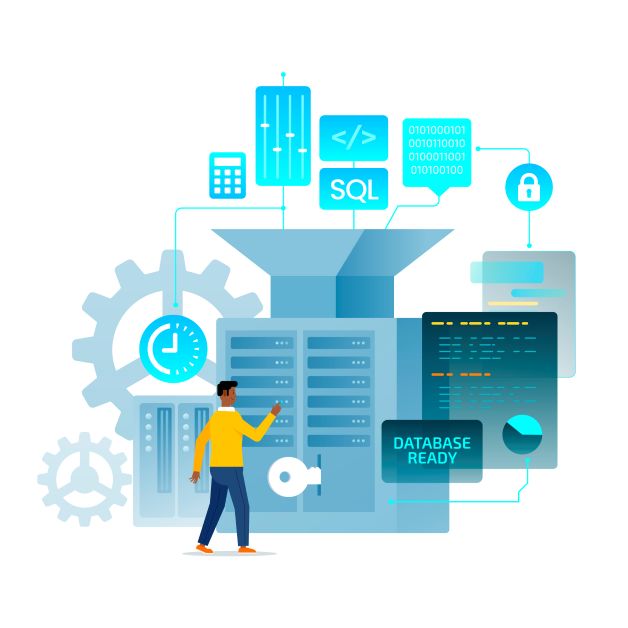
Legacy Systems Are Holding Plants Back Many food processors still rely on legacy systems such as paper logs, spreadsheets, and old production software to track ingredients, batches, and shipments. These setups might have worked years ago, but today they create more problems than they solve. Slow and inaccurate data makes it difficult for production, QA,

Mastering Consistency: The Power of Real-Time Batch Tracking

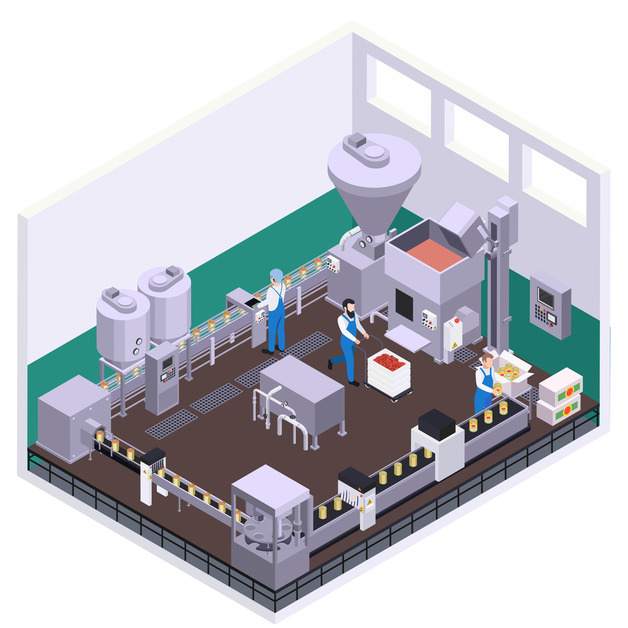
Why Batch Oversight Matters For food producers, even small inconsistencies between batches can have major consequences. A missing ingredient, a miscalculated quantity, or an unnoticed error in production can compromise quality, create waste, and make it harder to maintain regulatory compliance. Without instant visibility, teams are often reacting after problems occur, rather than preventing them.

Why Food Processing Companies Can’t Afford to Rely on Manual Tracking Anymore

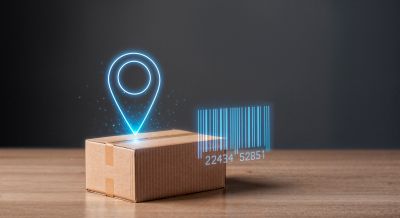
Why Automated Traceability is Essential for Food Processors In today’s fast-paced food industry, operational efficiency and accuracy aren’t just goals—they’re non-negotiables. Yet, many food processing companies are still relying on outdated systems like paper logs or spreadsheets to manage their lot tracking and production data. While these methods may have worked in the past, they

How Food Processors Can Embrace AI to Strengthen Traceability and Performance

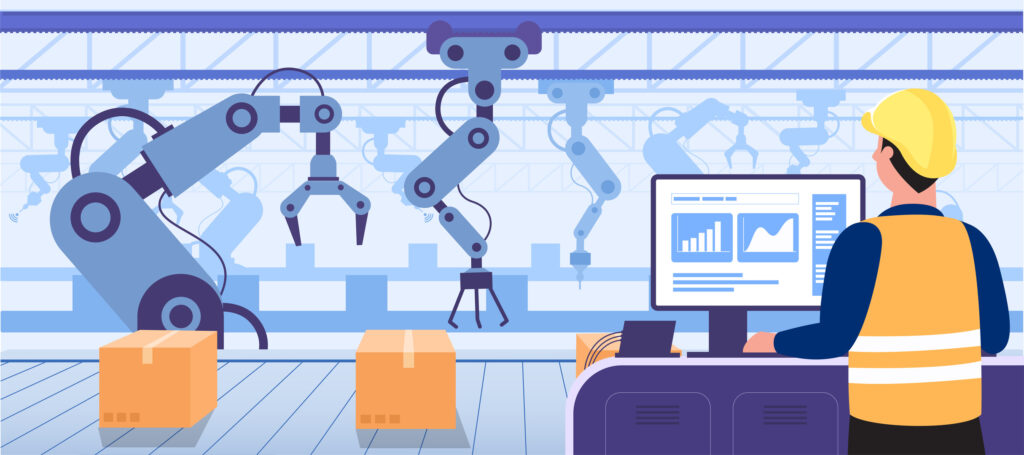
In today’s fast-paced food industry, traceability is no longer optional—it’s essential. Between tightening regulations, growing consumer expectations, and the constant pressure to operate efficiently, food processors are being asked to do more with less while maintaining impeccable quality and safety standards. That’s where AI-driven solutions are changing the game. By transforming data into real-time insights,