Improving productivity is the goal of every food manufacturer. Read about what best practices we’ve seen from across multiple food industry sectors.
Ways for Improving Productivity Starting at Your Receiving Dock
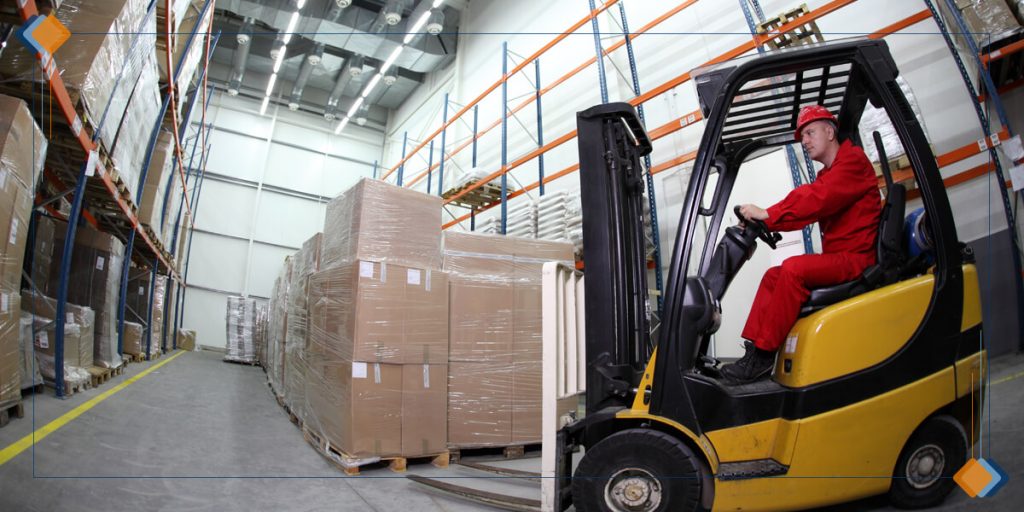
Improving productivity is the goal of every food manufacturer. Read about what best practices we’ve seen from across multiple food industry sectors.
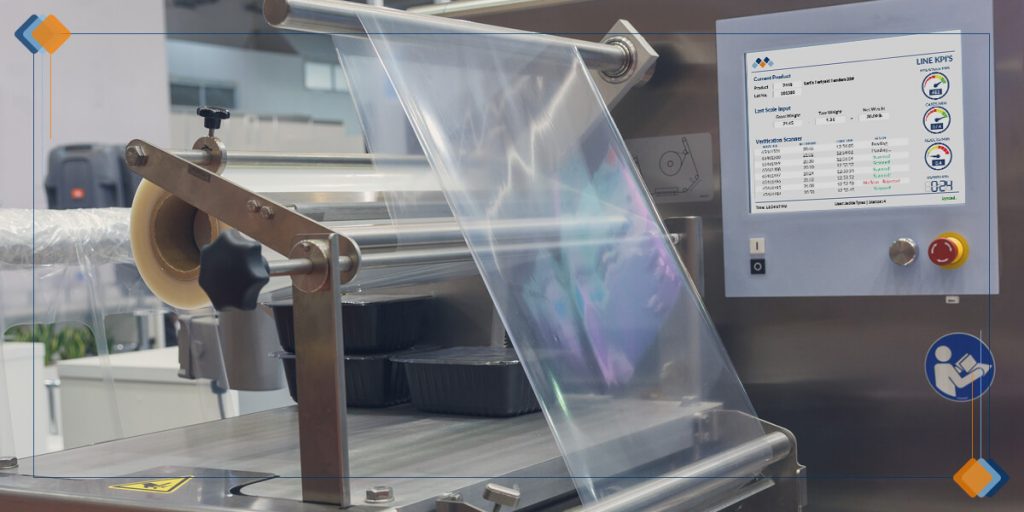
If you have an ERP, you might be thinking about extending it to the plant floor. A food industry MES system is much more effective and practical for what you need!
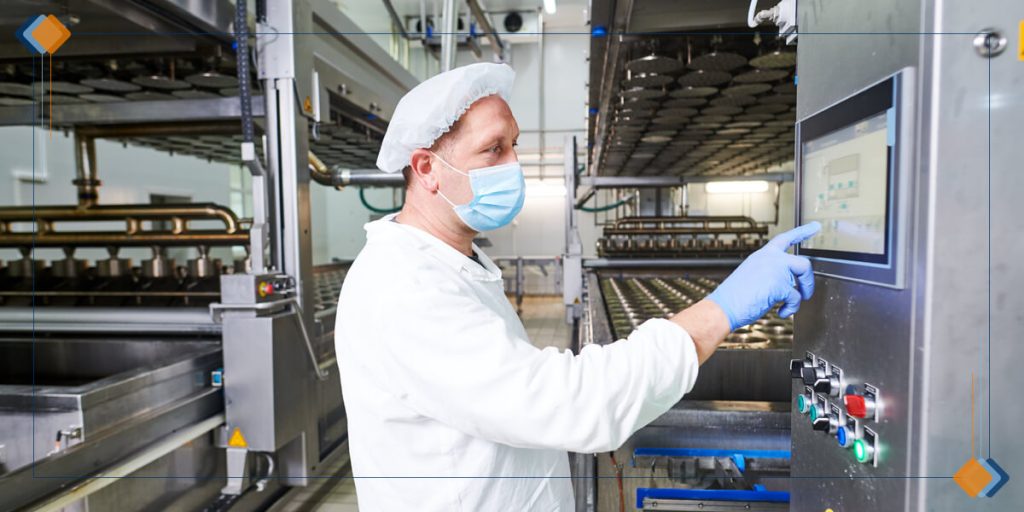
With competition so high and profit margins so narrow in the food industry, food manufacturers are constantly searching for ways to gain a competitive advantage.

Managing a busy food manufacturing facility is a full-time juggling act of making sure the thousand micro processes going on in your plant are working in harmony.
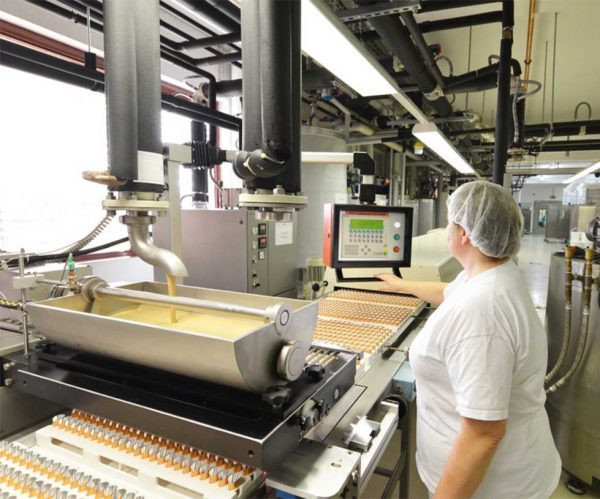
The most successful food processors are those that invest in concepts like tracking, understanding and managing the OEE scores.
It has been a little over a month since the COVID-19 pandemic hit North America’s shores.
Technology has never evolved at a pace as fast as what we see today, and the rate of evolution will only continue to accelerate in the future.

There’s no escaping quality assurance in the food manufacturing industry. And rightly so: with the catastrophic effects of contaminants like E. coli, listeria and Salmonella, foreign materials from production equipment and undeclared allergens, it’s no wonder food manufacturing quality assurance teams across the world spend thousands of hours each year collecting, sorting and analyzing food quality data. But with the progression of technology, you can reduce the cost and increase effectiveness of data collection in your facility.

Food manufacturers face a continuous uphill battle with pressures to make high quality and safe food at an affordable price. At the best of times, they’re facing fiscal pressures from the farmers and growers, meaning that they have to be at the best at all times if they want to be profitable. Add in the emerging modernization of food safety standards, and things are going from tough to tougher. Luckily, companies like Matrix and SafetyChain are working hard to make things easier, and especially so with our latest partnership agreement!
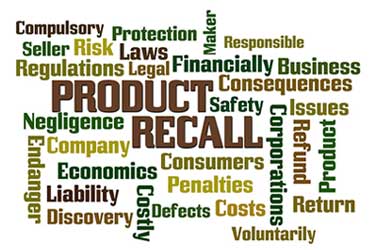
The average direct cost of a recall to a food manufacturing company is $10 million, and that doesn’t begin to quantify the indirect costs of damage to the brand, bad publicity, or lost sales.