
Inaccurate Data Creates Real Risk On the production floor, data accuracy is not just an IT issue. It directly impacts operations, compliance, costs, and customer trust. Many food manufacturers still rely on manual data entry, spreadsheets, paper logs, or disconnected systems to capture production information. While these methods may seem manageable day to day, they

Food manufacturers today operate under intense pressure. Regulatory requirements are stricter, customers demand transparency, and margins leave little room for error. In this environment, traceability must be fast, accurate, and reliable. Yet many plants still depend on manual traceability processes such as paper forms, whiteboards, and spreadsheets maintained after production ends. While these methods may
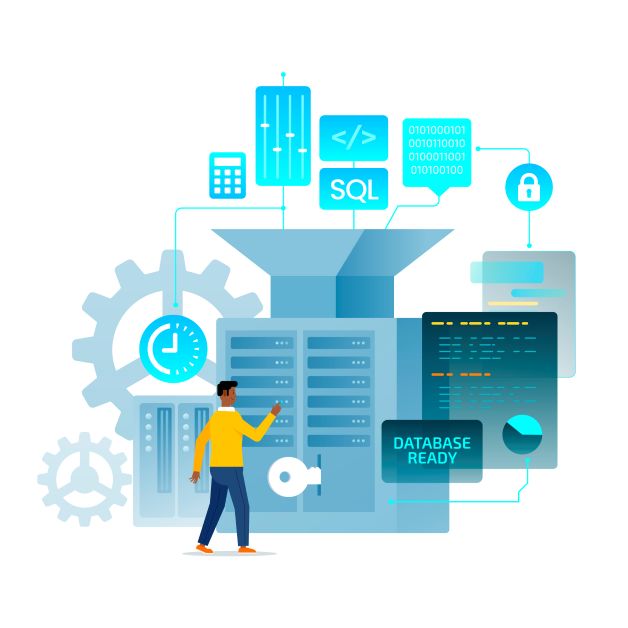
Legacy Systems Are Holding Plants Back Many food processors still rely on legacy systems such as paper logs, spreadsheets, and old production software to track ingredients, batches, and shipments. These setups might have worked years ago, but today they create more problems than they solve. Slow and inaccurate data makes it difficult for production, QA,
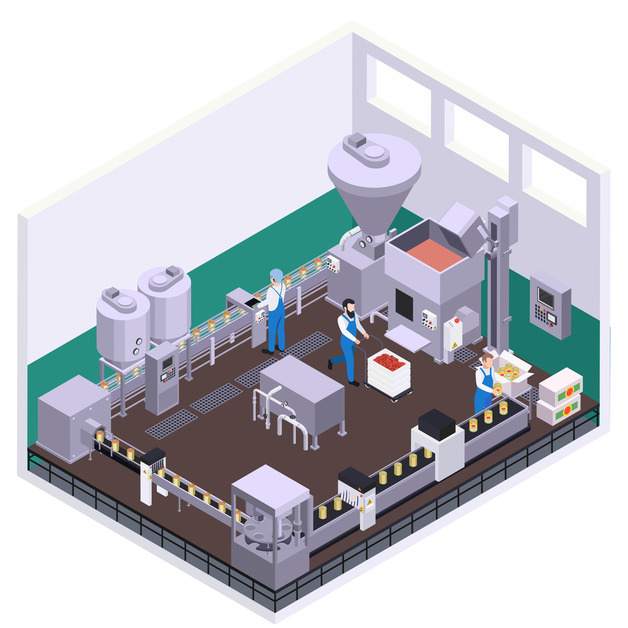
Why Batch Oversight Matters For food producers, even small inconsistencies between batches can have major consequences. A missing ingredient, a miscalculated quantity, or an unnoticed error in production can compromise quality, create waste, and make it harder to maintain regulatory compliance. Without instant visibility, teams are often reacting after problems occur, rather than preventing them.
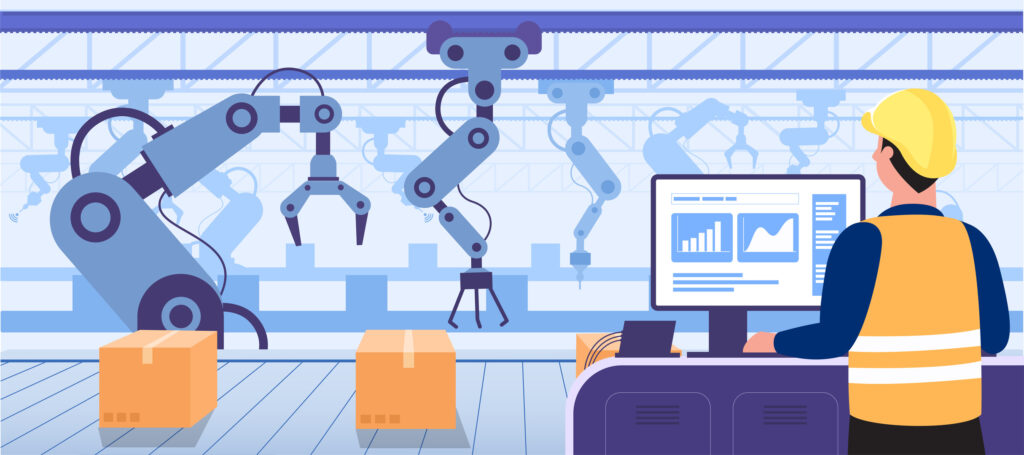
Why Automated Traceability is Essential for Food Processors In today’s fast-paced food industry, operational efficiency and accuracy aren’t just goals—they’re non-negotiables. Yet, many food processing companies are still relying on outdated systems like paper logs or spreadsheets to manage their lot tracking and production data. While these methods may have worked in the past, they

In today’s fast-paced food industry, traceability is no longer optional—it’s essential. Between tightening regulations, growing consumer expectations, and the constant pressure to operate efficiently, food processors are being asked to do more with less while maintaining impeccable quality and safety standards. That’s where AI-driven solutions are changing the game. By transforming data into real-time insights,

Upgrading your food traceability systems is no longer just a “nice-to-have” it’s a business necessity. The good news? In many regions, government grants and funding programs can significantly reduce your investment. Even if you’ve never applied for a grant before, there may be programs in your area designed to support food safety, supply chain modernization,

🚀 Introducing the 7th Generation Matrix Industrial Computer Built for Performance, Designed for Continuity For over a decade, Matrix Controls has delivered dependable industrial computing solutions that power automation, monitoring, and control systems across a wide range of industries. Now, we’re proud to introduce the 7th Generation Matrix Industrial Computer — combining cutting-edge performance with

Improving productivity is the goal of every food manufacturer. Read about what best practices we’ve seen from across multiple food industry sectors.
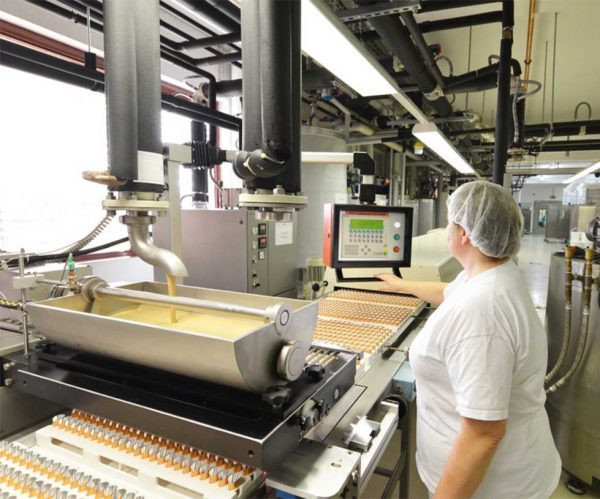
The most successful food processors are those that invest in concepts like tracking, understanding and managing the OEE scores.